
What Is the Difference Between an Optometrist and a Developmental Optometrist?

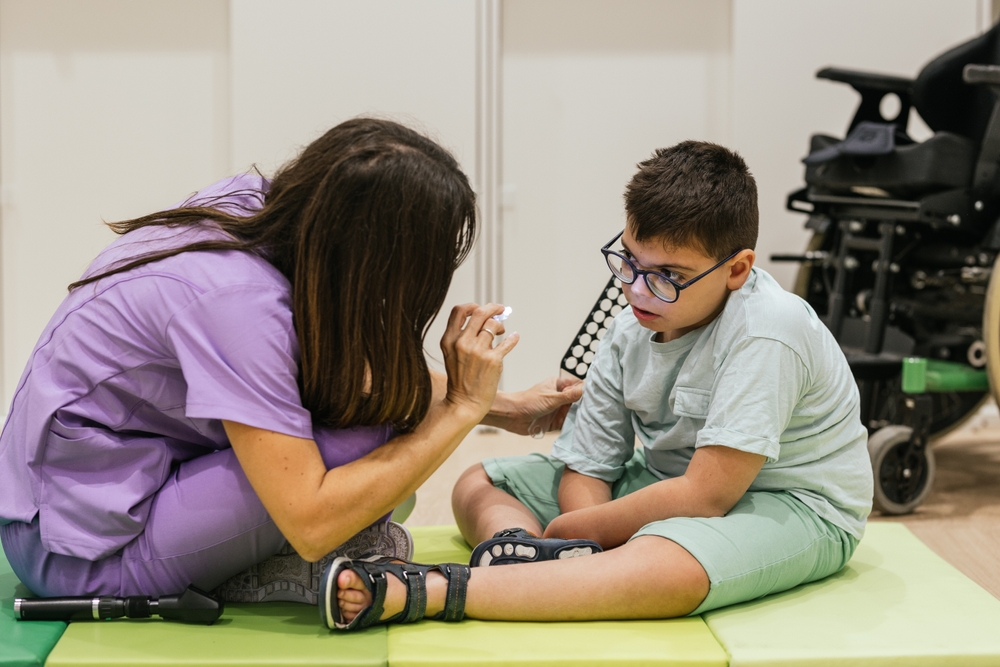
Many people know that an optometrist helps with eye exams, glasses, and contact lenses, but fewer understand how a developmental optometrist differs. While both focus on vision care, a developmental optometrist takes a closer look at how the eyes work together and how visual skills affect daily activities such as reading, learning, and coordination.
What a General Optometrist Treats
A general optometrist is usually the first provider people think of for vision care. They handle routine exams, prescription updates, and many common eye concerns. For many patients, this is the right place to start.
General optometry often includes:
Annual eye exams
Glasses and contact lens prescriptions
Eye disease detection and management
Dry eye care
Preventive vision care for children and adults
What a Developmental Optometrist Looks For
A developmental optometrist evaluates eye health and vision, but their work goes further into how the eyes and brain function together. This area of care looks at visual development, eye teaming, tracking, focusing, depth perception, and other skills that affect daily tasks like reading, learning, sports, and coordination.
A developmental optometrist evaluates whether the visual system is developing and functioning properly. A person may have 20/20 eyesight and still struggle with visual skills that affect comfort and performance. These issues may show up as reading problems, poor attention, headaches, double vision, eye strain, or trouble with hand-eye coordination.
This kind of care is often helpful for children with learning-related vision challenges, patients with binocular vision problems, and individuals recovering from concussion or brain injury.
Why the Difference Matters
The key difference is that a general optometrist often focuses on eyesight and eye health, while a developmental optometrist also looks closely at visual function. In other words, seeing clearly is only one part of how vision works.
For example, a child who avoids reading may not need a stronger glasses prescription. The real issue could involve tracking, focusing, or eye coordination. A developmental optometrist is trained to identify those deeper functional concerns.
When to Consider a Developmental Evaluation
Some signs may suggest the need for a more advanced visual evaluation. These can include frequent headaches, losing place while reading, short attention span during near work, poor coordination, double vision, or difficulty with school tasks despite otherwise healthy eyes.
At Clarendon Vision Advanced EyeCare in Westmont, we offer both primary eye care and specialized services such as vision therapy, pediatric optometry, neuro-optometry, and support for reading and learning-related vision problems. This approach can be especially helpful when symptoms involve more than a standard prescription change.
If you want expert guidance on visual development, functional vision, or everyday eye care, contact Clarendon Vision Advanced EyeCare to schedule a consultation today. Visit our office in Westmont, Illinois, or call (630) 323-7300 to book an appointment.

All Services
Learn More
Keep
In Touch
© 2026 Clarendon Vision Advanced EyeCare - All Rights Reserved - Accessibility Statement - Privacy Policy - Notice Of Privacy Practices - Sitemap - Vision Therapy Guidelines
Powered by
